
Air Conditioner Smells: What Musty, Burning or Sweet Odours Mean
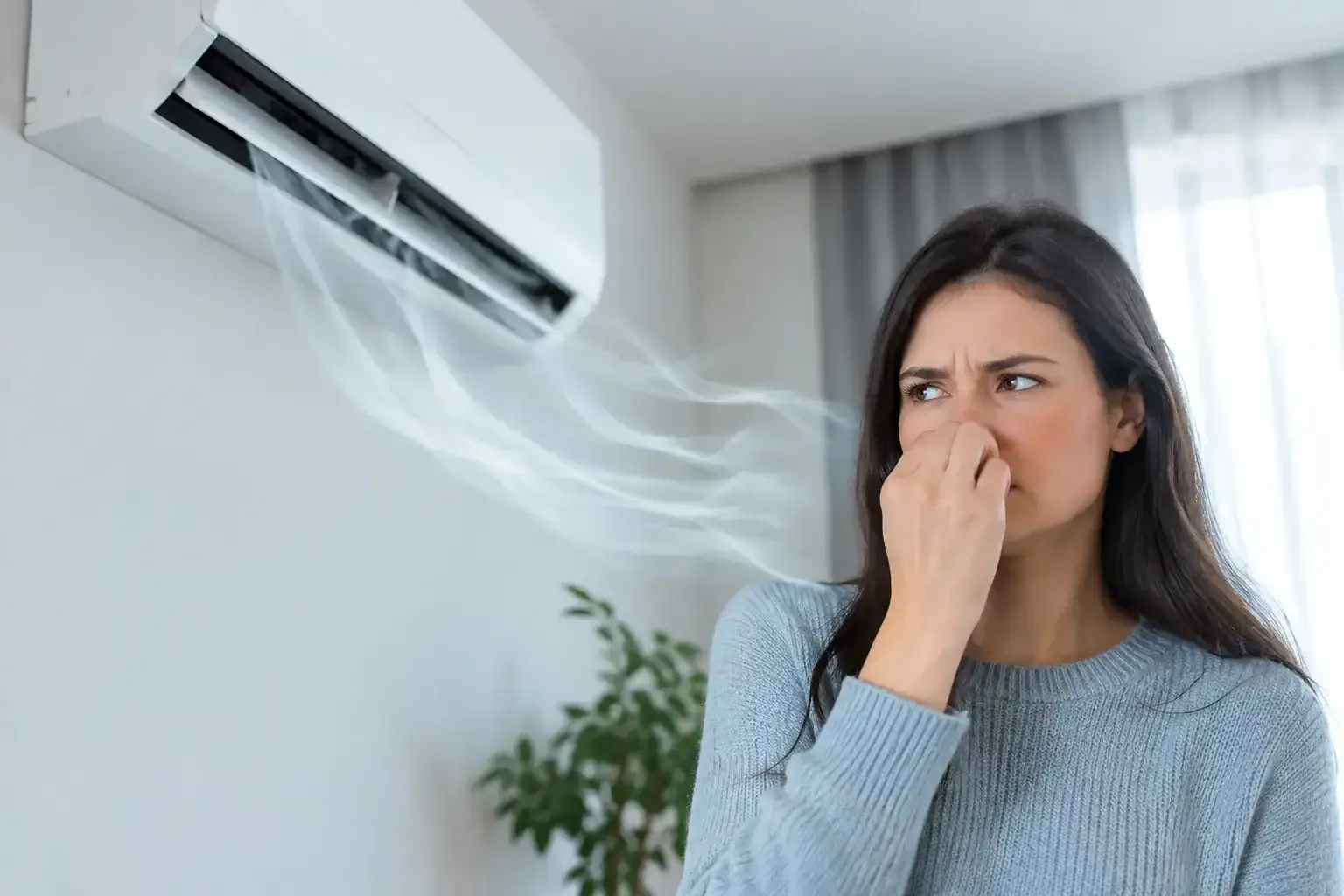
A cool house shouldn’t smell like a damp basement, burning plastic or rotten eggs. If a smell shows up as soon as the air conditioner starts, it’s usually telling you something: water is sitting where it shouldn’t, a part is overheating, or the system needs a technician before a small repair turns into a breakdown in the middle of summer.
Some smells are harmless and fade in a few minutes. Others mean you should turn the system off right away. Here’s how to tell them apart, whether you own the home, rent it out or manage a building.
Why the smell spreads so fast
Your air conditioner pushes a lot of indoor air through the house or building. If there’s moisture, dirt, mould or a failing part inside the equipment, it carries that smell into several rooms within minutes.
In a condo, the smell is often strongest near a supply vent or the fan coil. In a detached house, you may notice it most when central air first comes on after sitting idle. Offices and stores get the same problems, and they tend to be more urgent there because staff, customers and tenants all notice at once.
Timing tells you a lot. A smell that lasts a few minutes after startup is different from one that gets stronger every cooling cycle. Notice whether the AC still cools normally, whether less air is coming out of the vents, and whether there’s water around the indoor unit.
A musty smell usually means trapped moisture
A musty, earthy or damp smell is one of the most common complaints in hot, humid weather. Your air conditioner pulls moisture out of the air as it cools, and that water is supposed to drain away. When it doesn’t, it sits in the drain pan, the drain line, around the indoor coil or in insulation, and you get the stale “dirty socks” smell.
A clogged condensate drain is a frequent cause. So is a filter left in too long, which cuts airflow and keeps the indoor coil wet. Sometimes the problem goes deeper: a dirty evaporator coil, standing water, or mould growing inside the indoor unit.
Room spray won’t fix it. Start by putting in a clean filter of the right size and type for your system. Then look for water near the indoor unit, stains on the ceiling under a fan coil, or a drain pan that looks full. If the smell is still there after a filter change, or your air conditioner is leaking water, book a service call soon.
Property managers should deal with a musty smell that keeps coming back. Tenants complain, finishes near the equipment get damaged, and the drainage problem gets worse the longer the system runs.
Why the smell can come back after a quick fix
Clearing a blocked drain line fixes today’s clog, but it may not explain why the line clogged. A drain without enough slope, buildup in the pan, a failing condensate pump or poor airflow can all play a part. A proper service visit checks the whole drainage path and the cooling parts around it, so the cause gets fixed along with the smell.
Burning, smoky or electrical smells need fast action
A short dusty smell the first time you run the system in a season is often just dust burning off warm parts. A burning smell that doesn’t go away, hot plastic, or a sharp electrical odour is different. Don’t wait to see if it clears.
Turn the air conditioner off at the thermostat. If the smell is strong, you can see smoke, or the electrical panel is hot or buzzing, leave the unit off. A failing motor, overheated wiring, a damaged capacitor or a control problem can all cause these smells, and running the system anyway can turn a fixable repair into damaged equipment or a fire risk.
The same goes for offices, shops and warehouses. Don’t keep the AC running for comfort while there’s an electrical smell in the air. People and the building come first, especially when one system serves a large, busy space.
A trained HVAC technician can safely check the wiring, motors, controls and other parts. Replacement parts should suit the equipment, and the work should follow the manufacturer’s instructions and the codes that apply.
Rotten egg, sulphur or skunk smells
Always take a rotten egg or sulphur smell seriously. The air conditioner may not be the source, but it can spread a smell coming from other equipment, drains, pests or the building itself.
If the smell is strong or you think it could be gas, leave the area if you need to, don’t use flames or flip electrical switches, and call your gas utility’s emergency line or 911. Don’t keep running the air conditioner to air the place out. Moving air spreads the smell further.
A skunk-like smell can sometimes come from an overheating electrical part or a problem at the outdoor unit, but nobody should diagnose it by smell alone. Shut the system off and have it checked.
A chemical or sweet smell can point to a refrigerant leak
Refrigerant shouldn’t give off a smell you’d notice in the house. Even so, some people describe a chemical, sweet or ether-like smell when there’s a leak, or when some other chemical is stored near the system. You may also find the AC takes longer to cool, blows warmer air or runs more than usual. Our guide to an AC that isn’t cooling covers what you can safely check yourself.
A suspected refrigerant leak needs a technician. Topping up refrigerant without finding and fixing the leak only buys time. The technician should find where it’s escaping, repair it and confirm the system runs properly afterward.
Whether to repair or replace depends on the system. Fixing a small leak usually makes sense on a newer, reliable unit. On an older one with a string of repairs, weak cooling and hard-to-find parts, replacing it may be the better deal over time. Its condition, repair history and remaining life decide it.
Vinegar, sour or urine-like smells
A sour or vinegar smell usually leads back to moisture and buildup in the condensate system. A dirty drain pan or drain line can smell sour, especially after the AC has run hard through a humid stretch.
A smell like urine can have a few causes, including pests near the equipment or an electrical problem giving off an ammonia-like odour. Because so many smells overlap, don’t assume you know the source. If it lingers, starts suddenly, or comes with weak cooling, strange noises or a leak, book an inspection.
What you can check before calling for service
A few safe checks can help the technician find the problem faster. Make sure the thermostat is set to cool and actually calling for it. Look at the air filter and replace it if it’s dirty or overdue. Check around the indoor unit for water, and write down when the smell shows up: at startup, the whole time the system runs, or only in certain rooms.
Don’t take panels off, touch wiring or pour cleaners into the equipment. You can damage parts, make a mess or cover up the real cause. A clear description of the smell, when it happens and any change in how the system cools gives the technician a good place to start.
Preventing smells before the summer heat
Most AC smells are easier to prevent than to fix after weeks of heavy use. Regular maintenance gives a technician the chance to check the drain, clean the parts that need it, test airflow, tighten electrical connections and replace worn parts before they fail in a heat wave.
At home, changing the filter on time and booking a yearly check go a long way. For landlords and commercial property managers, scheduled maintenance means fewer surprise calls, more comfortable tenants and customers, and repairs you can plan instead of rushing.
If the smell comes with poor cooling, a water leak, loud running or an electrical odour, don’t wait for the next maintenance visit. Book an air conditioner repair for your home or business anywhere in the GTA. Your house should smell like nothing and stay cool, and the sooner a strange smell gets checked, the more likely it’s a small fix.