
Seasonal HVAC Maintenance Checklist for Ontario Homes
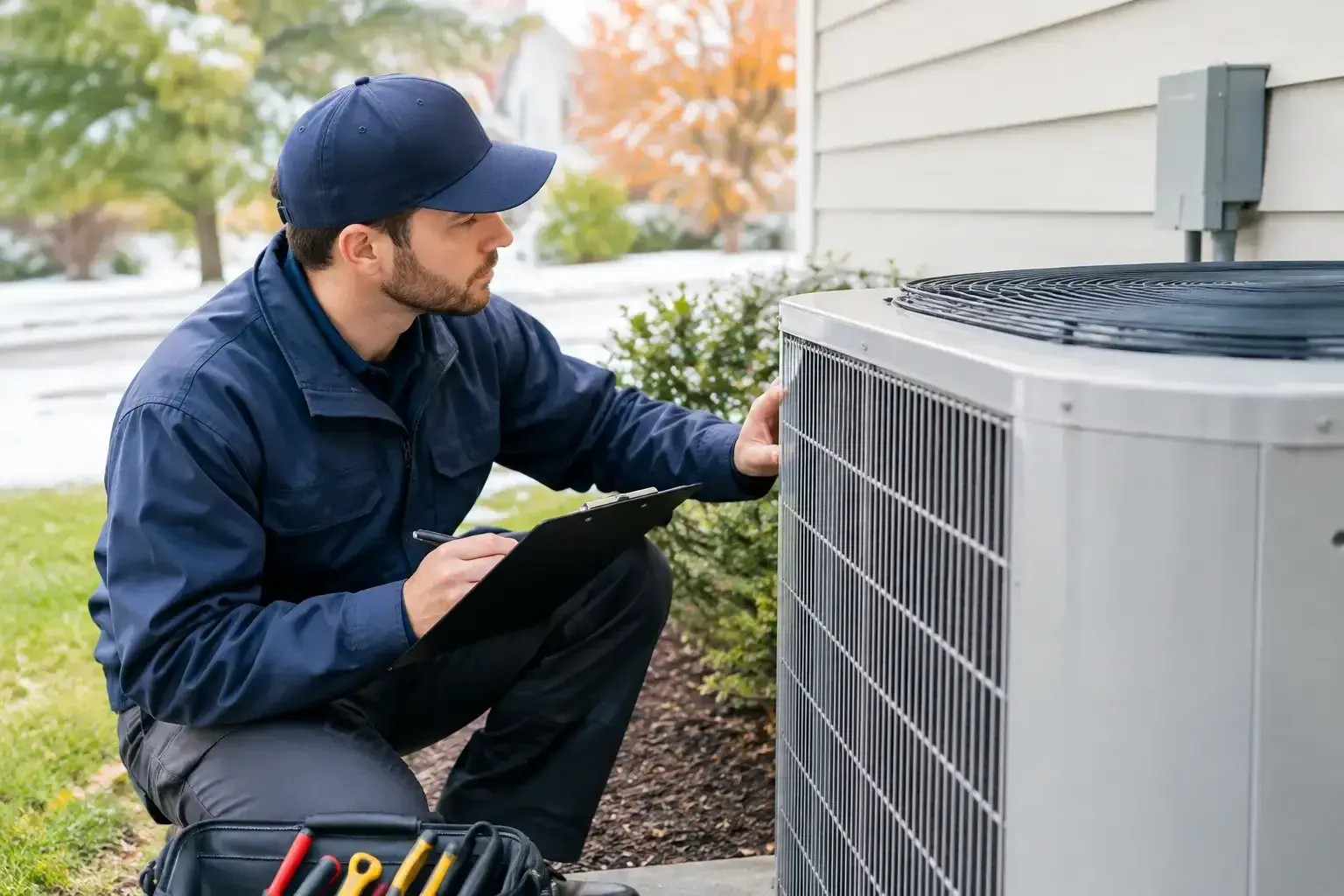
Furnaces don’t fail on convenient days. They quit during a Toronto cold snap, and air conditioners give out in a humid week in July. A seasonal maintenance checklist helps homeowners, landlords and property managers catch small problems before they turn into an urgent call, an uncomfortable building or an expensive repair.
You don’t need to become an HVAC technician. The checklist helps you spot warning signs, do the safe routine jobs yourself and book service before the weather pushes your system to its limit. For commercial properties, the same planning keeps staff and customers comfortable and the business running.
Why seasonal maintenance pays off
Heating and cooling equipment works hardest in the worst weather. A dirty filter, a weak capacitor, a blocked drain line or a worn furnace part may cause no trouble in mild weather. Once the system runs for hours at a stretch, that small problem can shut it down.
Regular service also keeps the system efficient. When airflow is restricted or the controls are off, the equipment runs longer to reach the thermostat setting. You pay more on utility bills and some rooms still stay too warm or too cold.
Maintenance won’t prevent every breakdown. Parts can fail without warning, especially on older equipment. A visit gives a technician the chance to find wear, safety problems and performance issues while you still have time to plan a repair.
Spring checklist
Spring is the time to get your air conditioner, heat pump or rooftop cooling unit ready before the first heat wave. Appointments are easier to get early in the season, and you can deal with repairs before hot weather makes them urgent.
Start with what you can safely check yourself:
- Check or replace the air filter. A clogged filter restricts airflow and can lead to a frozen coil, weak cooling and extra strain on the blower motor.
- Clear leaves, branches, grass clippings and stored items away from the outdoor unit. It needs open space around it to release heat.
- Look at the insulation on the refrigerant lines for cracks or missing pieces, and check the outdoor unit’s cabinet and fan guard for damage.
- Switch the thermostat to cooling and lower it a few degrees. Make sure cool air comes out and the outdoor unit starts normally.
- Walk through the house and check supply and return vents. Move furniture, rugs or boxes that block them, especially in rooms that already run warm.
A professional spring tune-up goes further. A technician checks electrical connections, tests the capacitor and contactor, checks refrigerant performance, cleans parts where needed, confirms the drain works and makes sure the thermostat and system are talking to each other.
If you notice warm air, ice on the refrigerant lines, water near the indoor unit, loud buzzing, frequent cycling or a jump in cooling costs, don’t keep turning the thermostat down. That usually makes the problem worse. Book a repair visit instead.
Condos and commercial spaces
Condo owners may have fan coils, heat pumps or building-controlled systems instead of a standard central air conditioner. Where the filter is, who is responsible for maintenance and how to shut the system off all vary by building. Check your condo rules and use a contractor who knows the equipment in your unit.
For offices, stores, warehouses and showrooms, spring maintenance should include a review of operating hours and occupied areas. A system set up for last year’s schedule may waste energy or leave new work areas uncomfortable. Facility managers should keep a record of what each service visit finds and schedule repairs before the summer rush.
Summer checks
During cooling season, watch the airflow, the drain and any change in how the system runs. Check the filter monthly when the AC is running hard, especially with pets, construction dust or a busy commercial space. Some filters last longer than others, so follow the manufacturer’s guidance and don’t throw out a clean one.
Keep the outdoor unit clear as plants grow. Don’t pressure wash it, bend the fins or try electrical repairs yourself. With the power off, a gentle rinse with a garden hose can remove light surface dirt, but a heavily clogged coil should be cleaned by a technician.
Watch humidity as well as temperature. A house that feels cool but clammy, or an office with moisture around the vents, may have an airflow, drainage, sizing or controls problem. Which one depends on the equipment and the building, so get it diagnosed before you think about replacing anything.
Fall checklist
Before the cold settles in, turn your attention to the furnace, boiler, heat pump or other heating equipment. In the GTA, a furnace that seems fine in September can show a problem on the first truly cold night, when it has to run nonstop.
Get ready for heating season safely:
- Replace the furnace filter and make sure the return air grilles are open and clear.
- Test the thermostat in heating mode before you need heat. Listen for banging, rattling, squealing or a slow start.
- Make sure you have carbon monoxide detectors in the right places, with fresh batteries if they use them, and press the test button on each one.
- Move anything that can burn, like paint cans, laundry and boxes, away from the furnace and out of the mechanical room.
- Go outside and check the intake and exhaust vents. Snow, leaves, nests or debris blocking a high-efficiency furnace vent is a serious safety problem.
- Book furnace maintenance, especially if the furnace is older, has needed repairs before, or heats a rental or commercial property.
A technician should check combustion, venting, burners, ignition, the heat exchanger, safety controls, gas connections, the blower and the electrical parts. Gas equipment needs extra care. Never ignore a gas smell, soot, frequent shutdowns or a carbon monoxide alarm. If you think there’s an immediate danger, leave the building and call for emergency help from outside.
Winter habits that protect your furnace
Once winter arrives, clear the outside furnace vents after every storm and don’t close the supply vents in several rooms. Closing too many vents throws off airflow and pressure, which makes the house less comfortable and strains the system.
A furnace that runs a lot in extreme cold isn’t necessarily failing. Cold air from the vents, rooms that never warm up, short cycling, a yellow burner flame, strange smells or a sudden jump in heating bills do need attention. Property managers should act quickly on tenant reports, because a small heating problem can lead to frozen pipes, water damage or complaints from the whole building.
Businesses should have a plan in place before winter. Staff should know who can approve repairs, where the mechanical rooms are and who to call if the heat goes out after hours, so decisions get made fast when people and stock are affected.
When to call a technician
Homeowners can change filters, clear debris they can reach and keep an eye on the equipment. Professional service is the right call for refrigerant work, gas appliances, electrical testing, combustion checks, duct repairs, drains that keep backing up and anything involving safety controls.
It’s also worth calling when the system works but comfort is uneven. Hot upstairs bedrooms, cold rooms over the garage, dusty air, noisy ducts and a thermostat that never seems right can point to problems with the ducts, airflow, zoning, insulation or equipment size. A new unit isn’t always the answer, and a proper assessment keeps you from spending money on the wrong fix.
Expert Heating and Air Conditioning handles maintenance, diagnostics and repairs for homes and businesses across Southern Ontario. Set reminders for spring and fall now, while everything is still running. A seasonal check and a timely visit can save you a long night waiting for the heat or cooling to come back.