
Five Ways to Prevent Furnace Breakdowns This GTA Winter
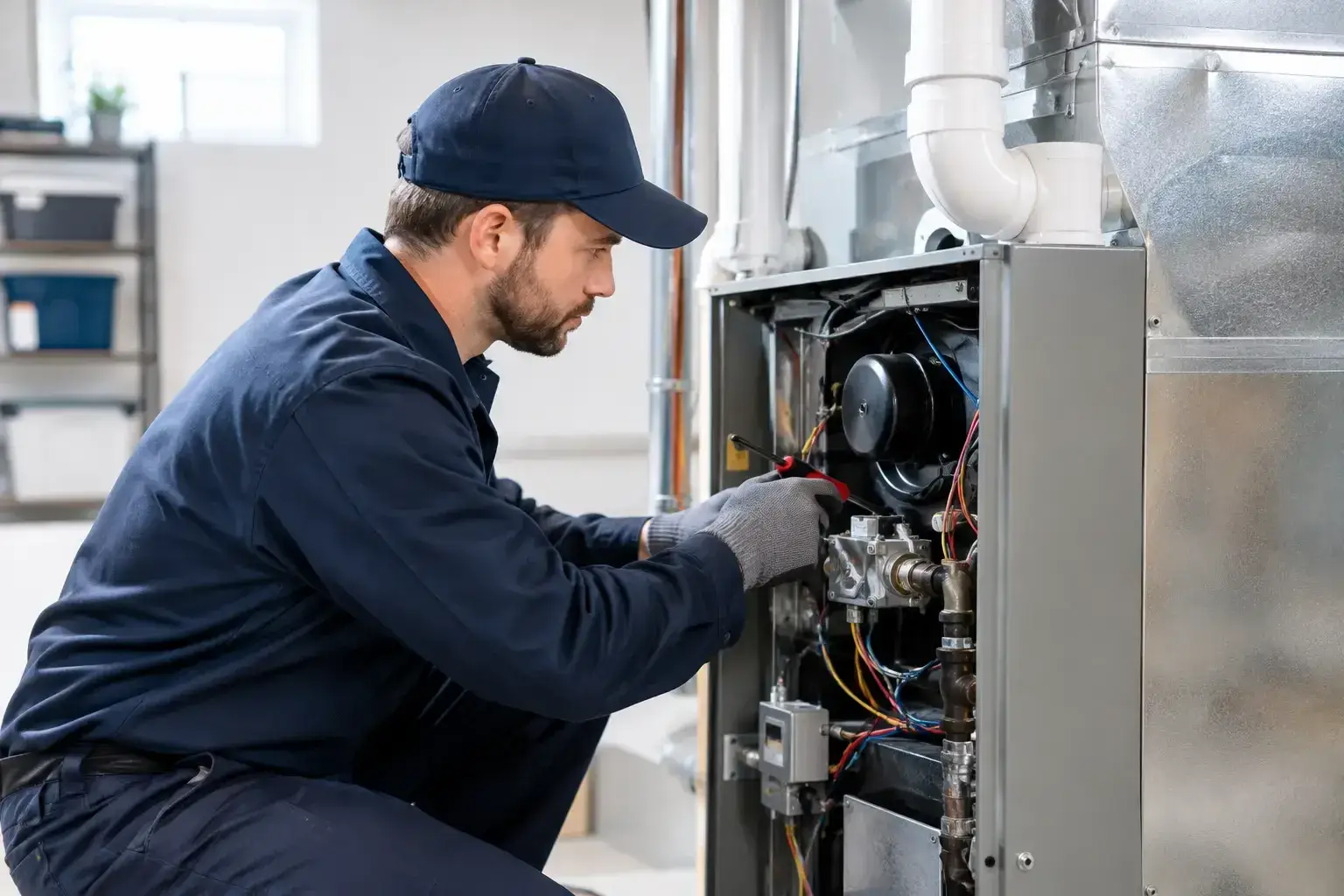
Furnaces rarely quit at a good time. It tends to happen right after a cold snap, in the middle of a family dinner, or on the morning a business opens its doors to a freezing building. The five habits below are small and practical, and they protect your heat before a minor fault turns into an urgent repair call.
You don’t need to fix complex equipment yourself to prevent a breakdown. You need to know what the furnace depends on: clean airflow, the right settings, regular professional service and room to work. Getting those basics right means fewer surprise shutdowns, lower gas bills and less wear on expensive parts.
Five ways to prevent furnace breakdowns
1. Change the air filter before it chokes the airflow
A dirty filter is one of the easiest problems to fix and one of the most common reasons a furnace struggles. As dust, pet hair and debris build up, the blower has to work harder to pull air through. That extra strain can lead to overheating, short cycling, weak airflow and a blower motor that wears out early.
Check the filter every month during heating season, more so if you have pets, a recent renovation or a full house. Many standard filters need changing every one to three months, but the right timing depends on the filter, the household and how often the furnace runs. A busy store or office may need more frequent checks than a quiet home.
The tightest filter isn’t always the best one. High-efficiency filters trap more particles, but some furnaces aren’t built to push air through that much resistance. If you’re not sure which size or rating your furnace takes, ask a qualified HVAC technician. The wrong filter can restrict airflow just as badly as a dirty one.
2. Book a maintenance visit before the cold sets in
A furnace can seem fine while parts inside are starting to wear. A professional maintenance visit is meant to catch those early signs. The technician checks electrical connections, tests the safety controls, looks at the ignition parts and the blower, inspects the venting, and watches for restricted airflow or anything else out of the ordinary.
On a gas furnace, combustion and venting need careful attention, and this isn’t a job to do yourself. Gas work in Ontario has to follow TSSA rules and the manufacturer’s instructions, so leave it to a licensed technician. A small adjustment in the fall can head off the kind of failure that leaves a house cold on the busiest service day of the year.
For most homes, once a year is the right starting point. Older furnaces, long running hours, rental buildings with several units and businesses that can’t afford downtime may need a more regular schedule. The point of the visit is to spot real wear early, so you can decide on a repair before the cost climbs, without swapping parts that are still fine.
3. Keep vents, return grilles and the furnace area clear
Warm air has to leave each room through the supply vents and come back to the furnace through the return grilles. Closing too many vents, pushing furniture against the returns or piling storage around the furnace upsets that loop. You may end up with rooms that never warm up, a louder system, frequent on and off cycling, or a furnace that shuts itself down when it overheats.
Walk through the house or building at the start of the season. Open the supply registers and make sure rugs, couches, curtains and boxes aren’t covering the return grilles. In a store, warehouse, showroom or office, check that seasonal displays and stock haven’t slowly crept up around the equipment or its access panels.
Keep the space around the furnace clean and easy to reach. Move paint, cardboard, cleaning products and anything else that burns away from the unit. That’s safer, and it lets a technician get straight to work. High-efficiency furnaces also have a condensate drain, and sometimes a small pump. Keep those clear and have them checked, because a blocked drain can shut the furnace off.
4. Watch the thermostat and listen for early warning signs
Most furnaces give some warning before they stop. Look out for a thermostat that keeps losing its schedule, rooms that heat unevenly, a furnace that starts and stops every few minutes, or new rattling or banging. A smell that hangs around after the first dusty burn of the season also needs a look.
Start with the easy checks. Make sure the thermostat is set to Heat and the fan to Auto, unless you have a reason to run the fan all the time. Replace the batteries if it uses them, and set the temperature above what the room is now. If the screen is blank or the furnace won’t respond, don’t keep switching the power off and on hoping it will reset.
A smart thermostat can show you patterns, but it can’t fix a mechanical fault. A new thermostat also won’t work with every older furnace. If the job involves new wiring, a control board, a two-stage furnace or a heat pump, have a professional set it up. When the thermostat is set up properly, the furnace runs the way it was designed to and doesn’t cycle more than it needs to.
If you smell gas, see water pooling around the furnace, hear a loud bang when it starts, or think there may be a carbon monoxide problem, get away from the furnace and call for emergency help. Don’t wait for a convenient appointment when safety is at stake.
5. Fix small problems early and plan for an aging furnace
The cheapest repair is usually the one done before it damages anything else. A loose belt, worn igniter, failing capacitor, dirty flame sensor, weak blower motor or a pressure switch that acts up now and then may not stop the furnace today. Left alone, it puts strain on other parts and can turn a routine call into an after-hours emergency. If something already sounds or smells wrong, book a furnace repair while it still runs.
Age changes the math. A well-kept furnace can last many years, but repairs get harder to justify once breakdowns are frequent, parts are expensive, efficiency has dropped or the house no longer heats evenly. No single age tells you it’s time to replace. How much it runs, how well it was installed, how it’s been maintained and whether parts are still available all play a part.
Landlords and commercial property managers gain the most from planning ahead. Replacing a furnace on your own schedule is far less disruptive than scrambling after it fails in a cold snap. A good HVAC team can look at the current system, explain repair versus replacement in plain terms and recommend equipment sized for the building, which is often not the biggest unit on offer.
What furnace care looks like day to day
Preventive care doesn’t have to be another big chore. Put a filter reminder on the calendar, keep vents and returns open, and book service before the cold weather arrives. After that, call someone when the furnace starts to sound, smell or behave differently. That gives a technician the best chance of fixing a small problem while you still have heat.
In a business, make one person responsible for collecting comfort complaints and noting anything that keeps coming up. “The back office is always cold” or “the furnace only runs overnight” may sound minor, but details like that make a problem much faster to diagnose. In a rental, ask tenants to report changes early instead of waiting until the heat is gone.
Your HVAC Expert helps homeowners and businesses across the GTA with furnace maintenance, diagnostics and repairs, with clear advice so you know what the furnace needs and why.
Book that filter check or maintenance visit now, while the furnace is still keeping you warm and you have time to make a good decision.