
Emergency Furnace Repair in Toronto: What to Do When the Heat Stops
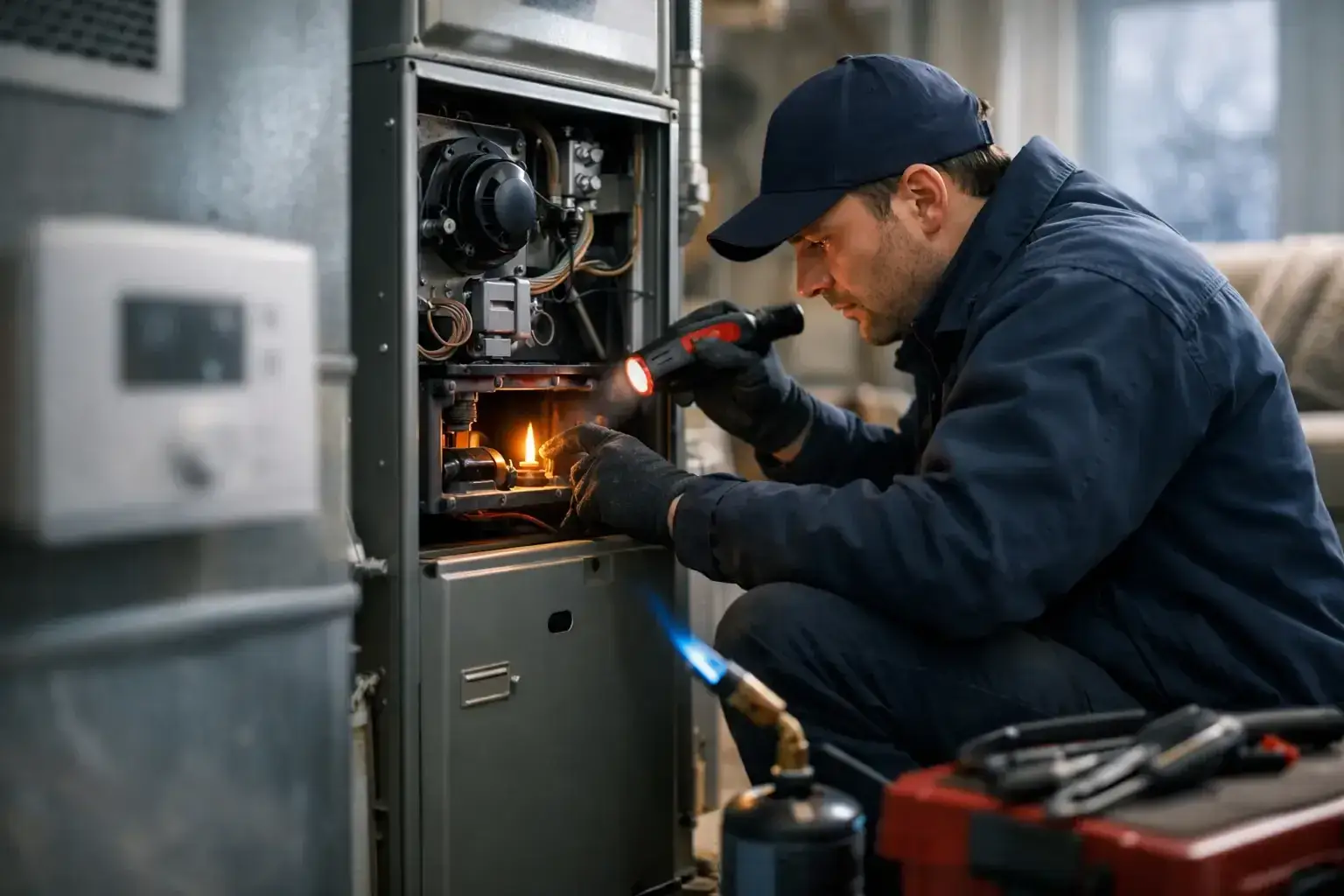
When the furnace quits at 2 a.m. in January, you can’t wait for morning. A cold house is uncomfortable, and a few hours below freezing can also burst pipes, damage stock in a store, or put young kids and older relatives at risk.
Most heating breakdowns give some warning, and a good technician can usually find the cause quickly. What helps you most is knowing which checks are safe to do yourself, when to shut the system off, and when to pick up the phone.
When a furnace problem is an emergency
A furnace that blows cool air or can’t keep up with the thermostat needs attention. How urgent it is depends on the weather and on who is in the building. In a Toronto cold snap, a house can lose heat faster than most people expect, especially an older home, an empty rental unit, a basement, or anywhere with exposed plumbing.
Call right away if there is no heat at all, the indoor temperature keeps dropping, or someone vulnerable is in the space. That includes young children, older adults, people with health problems, and tenants who can’t easily go somewhere else. In a business, a cold building can freeze sprinkler lines, ruin stock, and shut down work.
Some signs mean you should not troubleshoot at all. If you smell natural gas, hear a loud hiss near a gas line, or your carbon monoxide alarm goes off, leave the building and call 911 or your gas utility from outside. Don’t restart the furnace, flip switches, or use a lighter or match to look around. Carbon monoxide has no smell and no colour, so every home and business needs working CO detectors.
What you can safely check before you call
Sometimes the cause is simple. Start with the thermostat. Make sure it’s set to Heat, the set temperature is higher than the room, and the batteries are good if it takes them. A thermostat knocked into the wrong mode looks exactly like a broken furnace.
Next, check your electrical panel. If the furnace breaker has tripped, reset it once. If it trips again, leave it off and call for service. A breaker that keeps tripping can mean an electrical fault or a motor on its way out.
Look at the filter too. A badly clogged filter chokes the airflow, and the furnace can overheat, turn on and off every few minutes, or shut itself down. If you have the right size on hand, go ahead and swap it. Don’t run the furnace with no filter, and don’t force in one that doesn’t fit.
On a high efficiency furnace, check the two plastic pipes where they leave the house, if you can reach them safely. Snow, ice or leaves can block them and stop the furnace from running. Brush away anything loose, but don’t take the venting apart or touch anything in the burner area.
If none of that brings the heat back, stop there. Taking panels off, bypassing safety switches, or cycling the power over and over can turn a simple repair into a bigger one.
Why furnaces fail in Toronto winters
A furnace works hardest when the weather is worst, so a weak part usually gives out during a cold spell. On gas furnaces, ignition trouble is common. The cause might be a dirty flame sensor, a worn igniter, a bad control board, a gas valve problem, or a fault in the venting and pressure switch.
Airflow problems are the other big one. A blocked filter, a failing blower motor, a bad capacitor, closed vents or restricted ductwork can all make the furnace overheat. Most furnaces then shut off on a safety switch and try again later, so you get short cycling, cold rooms and extra wear on the parts.
High efficiency furnaces have one more weak spot in an Ontario winter: the condensate drain. These furnaces make water as they run. If the drain line clogs or freezes, a safety switch can keep the furnace from starting. The fix is often easy, but someone needs to find out why it froze so it doesn’t happen again the next cold night.
Older furnaces can also develop problems with the heat exchanger, the inducer motor, the wiring or the controls. Age alone doesn’t mean you need a new one. A proper diagnosis looks at the furnace’s condition, the repair cost, how efficient it is, whether parts are still available, the warranty, and how reliable it has been.
For landlords and property managers
A heating failure hits landlords differently. It can affect several tenants at once, bring late night calls, and create liability if units get too cold. You’ll get the fastest help if you have the details ready.
When you call for emergency furnace repair in Toronto, have the address, the furnace make and model if you know it, the thermostat reading, and a short description of what happened. Mention any strange noises, whether the furnace keeps turning on and off, and any error code on the display. For a commercial unit, say which areas have no heat and whether stock, operations or other building systems are at risk.
Know who can let the technician in and who can approve the repair. It sounds like paperwork, but it saves time once the technician has found the problem. For rental buildings and commercial properties, a yearly service plan cuts down on these emergencies. Regular visits keep records, test the safety controls, and catch worn parts before the heating season starts.
Repair or replace?
A no heat call doesn’t always end with a new furnace. Often, replacing an igniter, a sensor, a motor part, the thermostat or a control board is the sensible fix.
Replacement makes more sense when the furnace is near the end of its life, has a serious safety problem, keeps needing expensive repairs, or can’t heat the house properly anymore. If it has needed several service calls in one or two winters, the hassle and the gas bills may cost you more than the repair invoices show.
A newer furnace with one clear problem is usually worth fixing. Replacing an older one can get you better efficiency and fewer breakdowns, but it costs more up front and has to be sized properly for your home. An oversized or badly installed furnace can leave you uncomfortable even if it’s a good brand. The recommendation should come from your house, your ductwork, your fuel type and how you live in the space.
Preventing the next no heat call
You can’t predict every breakdown, but regular maintenance makes a trouble free winter much more likely. Before the cold weather, a technician can check the burners and ignition, test the safety switches, check the airflow and venting, look over the wiring, and make sure the thermostat is talking to the furnace.
Between visits, change the filter on schedule, keep supply and return vents clear, and notice when the furnace starts acting differently. New rattling, slow ignition, frequent cycling, dry or uneven rooms, and higher gas bills are all good reasons to book service before the furnace quits.
For a business, maintenance also keeps the doors open. Offices, stores, warehouses and showrooms all heat differently, so a maintenance plan can be set around your hours, roof or mechanical room access, the age of your equipment, and what a shutdown would cost you.
If your furnace is struggling right now, keep the area around it clear, use space heaters only the way the manufacturer says, and call before the house gets any colder. Getting it looked at tonight can save you from a bigger repair later in the winter.