
Central Air Installation in Toronto: Sizing, Ducts and Costs
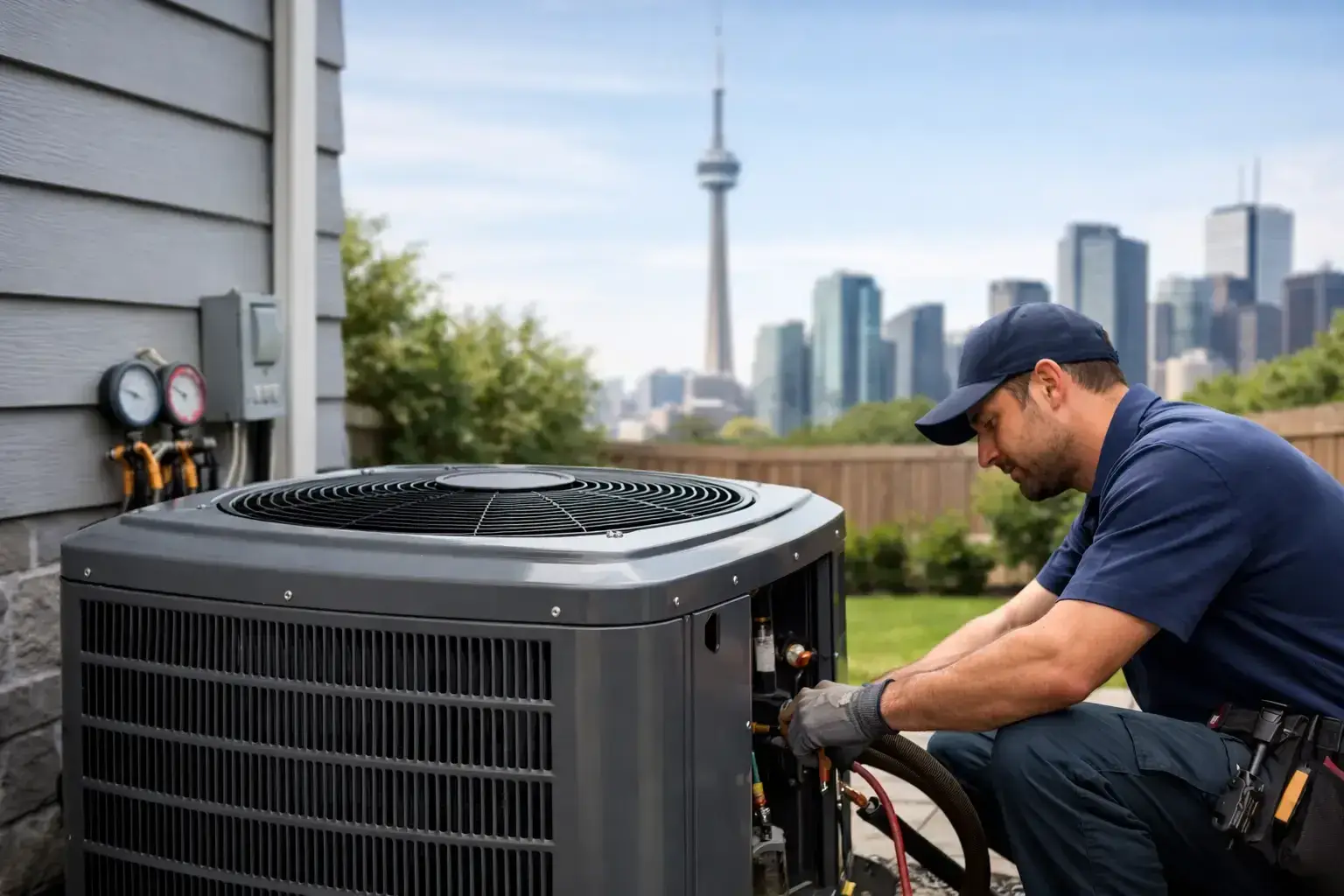
Putting in central air before the first heat wave can be the difference between a comfortable summer and a rushed replacement. When an old air conditioner can’t keep the second floor cool, runs all day, or quits on a humid July afternoon, picking a new system takes more than choosing a brand. The equipment, the ductwork, the layout of the home and the quality of the installation all have to match for the system to work the way it should.
The right answer looks different in a condo, a townhouse, a semi or a detached house. A well-planned installation cools evenly, costs a reasonable amount to run and needs fewer service calls. A rushed one can leave you with hot rooms, a noisy system and equipment that wears out early.
Why the installation matters as much as the equipment
An air conditioner is one part of a larger system. The outdoor unit pulls heat out of the house, while the indoor coil, the furnace or air handler, the thermostat, the electrical connection, the refrigerant lines and the ducts work together to move the cooled air around. If any one of those is too small, too big, badly connected or a poor match, even a good unit will underperform.
Oversizing is a common problem. A unit that’s too big cools the house fast and shuts off before it has pulled enough humidity out of the air, so rooms feel cool but clammy. It also starts and stops more often, which wears out parts. An undersized unit runs for hours and still falls behind on Toronto’s hottest days.
How the system goes in matters just as much as what goes in. The refrigerant lines have to be installed and tested properly. Someone has to check the airflow. The electrical work has to be safe and up to code, and the condensate drain has to carry water away reliably. This is equipment you’ll rely on for ten years or more, so none of these steps should be skipped.
Start with the house, not the unit size
Square footage is a starting point, but it shouldn’t be the only thing used to size an air conditioner. Two houses with the same floor area can need very different amounts of cooling because of insulation, windows, ceiling height, air leaks, the number of people living there and how the rooms are used.
A proper assessment looks at all of it. South and west windows bring in a lot of afternoon heat. A finished attic, a sunroom or a home office full of electronics may need more cooling than the rest of the house. Older homes often have ductwork that was designed for heating and doesn’t move enough air for cooling.
In a condo, the conversation usually starts with the building’s rules. Some buildings limit where an outdoor unit can go, how condensate is handled, or when work can be done. Property management may ask for proof of insurance, permits or written approval before the work starts. Sorting this out early avoids a delay just as the warm weather arrives.
Your furnace and ducts need a check too
Most central air systems use the furnace blower to push cooled air through the house. That means the furnace, the blower motor, the indoor coil and the ducts should all be checked before anyone picks an outdoor unit. Pairing a new air conditioner with an older furnace can work, but it depends on the furnace’s condition, how much air it can move, and whether the two are compatible.
The ducts deserve the same attention. Leaks, crushed sections, disconnected runs and too few return vents can leave some rooms uncomfortable no matter how new the air conditioner is. In a two-storey house, weak return airflow is often why the upstairs stays warmer than the main floor. The real fix may include changes to ducts, registers, returns or where the thermostat sits.
If the house has no usable ducts, a ductless system may fit better than forcing central air into a layout that can’t support it.
What happens on installation day
A central air installation should start with a clear scope of work. Before the job, you should know what equipment is going in, whether a new indoor coil is included, what duct or electrical changes are needed, and what happens to the old unit.
On the day, the crew usually removes or disconnects the old equipment, prepares the pad or mounting spot outside, installs the indoor coil, and runs or connects the refrigerant lines. The outdoor unit needs enough clearance for airflow and future service. Its spot should also take noise, drainage, access and local rules into account.
Next comes the electrical work and the refrigerant charge, then testing and a check that the thermostat controls the system properly. A good startup takes more than switching it on. The technician checks operating pressures, the temperature drop across the coil, drainage, airflow and overall performance.
When the air conditioner connects to gas heating equipment, the work has to follow the manufacturer’s instructions and the applicable codes. That protects your safety and your warranty, and it avoids problems that are expensive to fix later.
Choose efficiency based on how you use your home
A higher-efficiency air conditioner can cut your electricity use, especially if you run the AC a lot. The highest rating available isn’t automatically the best value, though. The right choice depends on your budget, how long you plan to stay, local electricity rates, your insulation and the condition of the rest of the system.
A mid-range unit installed correctly can outperform a premium unit installed with poor airflow or the wrong refrigerant charge. Ask what you’ll actually notice. Will it handle humidity better? Is it quieter? Does it have variable-speed operation? Will it work with your current thermostat and furnace? Those answers tell you more than model numbers do.
People who are out during the day may want scheduling and smart thermostat features. A family with bedrooms that run hot may care more about balancing the airflow. Landlords and property managers may put reliability, easy service access and parts availability first. The best system is the one that suits the people using the building.
Watch out for the lowest quote
A low quote is tempting, especially when a dead air conditioner forces a quick decision. But if it leaves out electrical upgrades, a new coil, permits, startup, removal of the old unit or warranty details, it isn’t a fair comparison. Ask what’s included, what could change the price, and who will come back if something goes wrong after the installation.
The contractor should also be able to explain why they recommended a particular size and equipment match. “That’s what most houses use” isn’t a good enough answer. Your house has its own heat gain, duct condition and comfort problems.
At Expert Heating and Air Conditioning, we explain your options plainly before the work starts and make sure the system runs the way we said it would before we leave.
Look after the new system
New equipment still needs regular care. A clogged filter restricts airflow and lowers efficiency. A dirty outdoor coil makes it harder for the system to get rid of heat. A neglected drain can leak water around the indoor equipment. Small problems are cheaper to fix during maintenance than during a breakdown.
Change or clean the filter on the schedule recommended for your filter type and household. Homes with pets, renovations or more people may need to check it more often. Keep leaves, grass clippings and stored items away from the outdoor unit, and don’t cover it while it’s running.
Annual maintenance is also when a technician checks refrigerant performance, electrical connections, drainage, the blower and overall cooling output. For landlords and commercial property managers, a regular maintenance schedule cuts down on surprise breakdowns and builds a service history for the equipment.
Plan before the heat arrives
The best time to replace an air conditioner is while it still runs but is showing its age: frequent repairs, uneven cooling, rising bills, or less reliable operation. You have time to compare options, go over the installation plan and sort out any duct or electrical work without pressure.
If your air conditioner has already stopped in a heat wave, fast help matters, and our guide to air conditioner repair in Toronto covers what to check first. Whether the job is urgent or planned, ask for an assessment that looks past the outdoor unit. Central air should cool your home evenly, keep the humidity down and suit the way you live. Start with a clear estimate and ask direct questions, and you’re far more likely to get the comfort you paid for.