
What an HVAC Maintenance Contract Should Cover
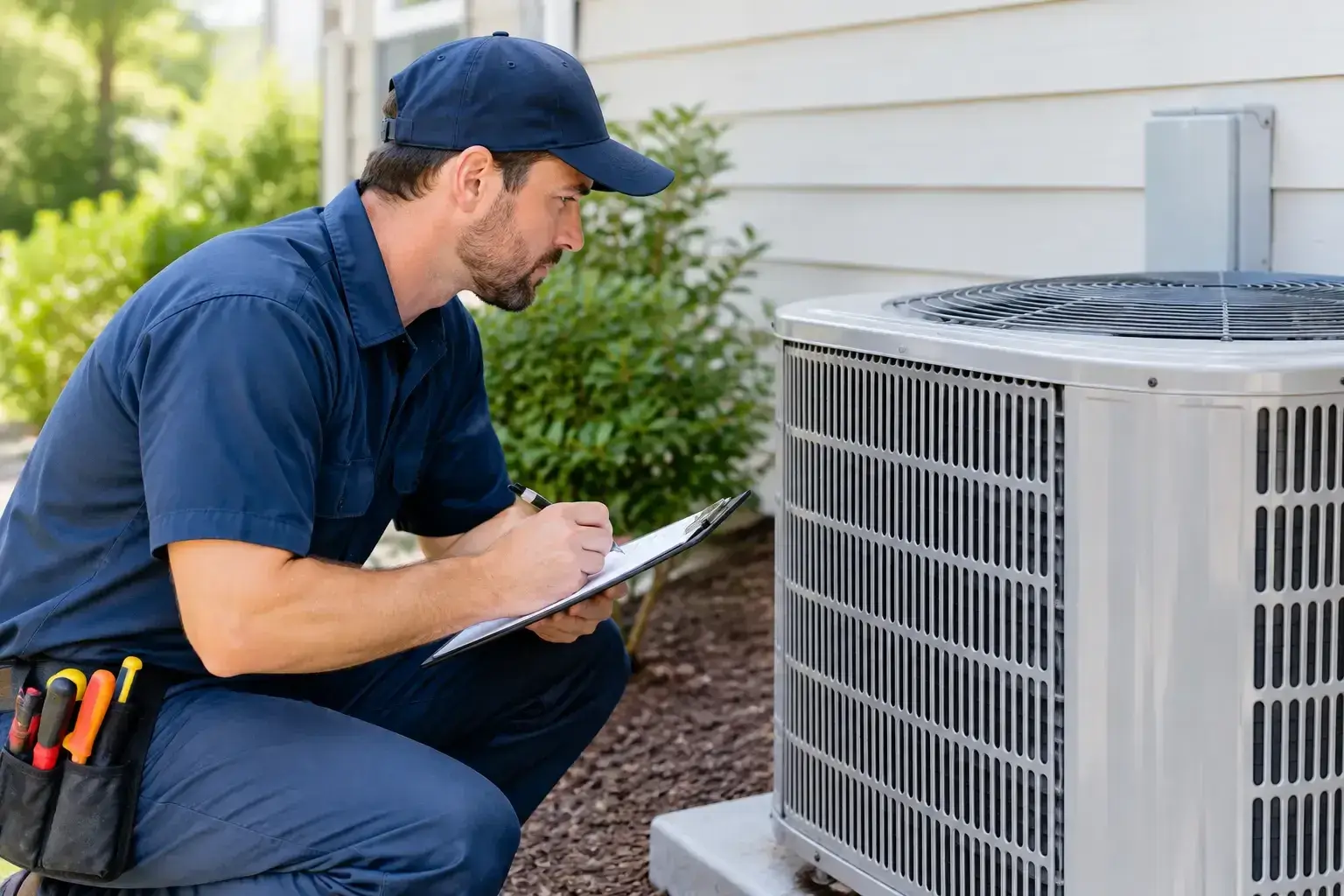
A furnace that quits in a Toronto cold snap, or an air conditioner that can’t keep up in July, never picks a good moment. An HVAC maintenance contract gives homeowners, landlords and business owners a way to head off many of those emergencies by putting heating and cooling care on a schedule instead of waiting for a repair call.
For a condo owner, that might mean catching a clogged filter or a weak blower before the unit stops heating. For a facilities manager, it can mean keeping several rooftop units, furnaces or air conditioners running through business hours. A contract won’t prevent every repair, but it makes expensive surprises much less likely.
Why a maintenance contract is worth having
Heating and cooling equipment works hard in the GTA. Furnaces run through long heating seasons, air conditioners run through humid summers, and commercial systems often run far longer hours than a house. Dust, worn parts, blocked drains, loose electrical connections and old filters slowly cut performance well before the system breaks down.
A maintenance visit deals with those smaller problems while they’re still cheap to fix. The technician checks how the equipment runs, looks for safety issues, cleans parts where needed and points out anything that’s starting to wear. You get time to decide what to do instead of reacting after the heat or cooling has already stopped.
Regular maintenance can also cut wasted energy, help you meet the manufacturer’s warranty conditions, make rooms more comfortable and help the equipment last longer. If a system short cycles, heats or cools unevenly or starts making new noises, a maintenance visit can find the cause before it becomes a bigger repair.
For businesses, more is riding on it. An uncomfortable store affects customers and staff. A warehouse that runs too warm can put temperature-sensitive stock at risk. An office with uneven heat brings complaints that pull managers away from their work. Scheduled commercial HVAC service keeps equipment running and the building easier to manage.
What a good contract should include
Service agreements vary a lot. The details should fit the equipment you own, how old it is, how hard it works and whether it serves a home, a rental, a store, an office, a warehouse or an industrial site.
At the very least, the contract should say how often visits happen. Most home systems do well with a visit before the heating season and another before the cooling season. Commercial systems may need more frequent visits, depending on operating hours, how many people use the space, the type of equipment and what downtime would cost you.
On each visit, the technician should inspect the system, not just swap the filter and leave. The work depends on the equipment, but good maintenance usually covers thermostat operation, filters, electrical connections, safety controls, airflow, condensate drainage and overall performance. Furnace service can include the burners, ignition parts, venting and the heat exchanger. Air conditioner service can include the coils, refrigerant performance, drain lines and the condition of the outdoor unit.
The contract should also leave you with a service record. When a repair comes up, that history shows recurring problems, earlier recommendations and parts that have already been replaced. It’s especially useful for landlords and property managers looking after several units or sites.
Ask whether the contract includes priority scheduling for urgent calls, discounts on labour or parts, reminders before each visit and a written report afterwards. Those make a real difference when the furnace stops overnight or a commercial air conditioner fails in a heat wave. Priority service can’t fix everything on the spot, especially when a special part has to be ordered, but it gets a technician to you sooner.
Maintenance isn’t a repair warranty
Knowing this up front saves frustration. A maintenance contract covers scheduled inspections, cleaning, adjustments and the preventive work listed in the agreement. It may give you better pricing on repairs, but it usually doesn’t cover every replacement part or major repair.
If a blower motor fails, a control board burns out or an old compressor reaches the end of its life, you may still pay for the repair. What maintenance gives you is a technician who spots the warning signs early and explains your options, so you can plan instead of being caught by a sudden breakdown.
The condition of the equipment matters too. A system that’s only a few years old and well looked after may need little more than routine care. A 15-year-old furnace or air conditioner may still have life in it but need repairs more often. In that case, a contractor should talk you through both choices: keep repairing it, or plan a replacement.
Every home is different
Each home has its own comfort problems. Condo fan coil units need regular filter changes and condensate checks. A detached house may have a furnace, central air, a humidifier and a thermostat that all have to work together. Older homes can have airflow problems that maintenance alone won’t fix, though a duct inspection or a thermostat adjustment sometimes makes a noticeable difference.
A maintenance agreement shouldn’t treat every house the same. The technician should learn how your system behaves in your space, which rooms run too hot or too cold, and whether you’re worried about air quality, noise or energy bills. Clear advice is more useful than pressure to replace equipment that still has years left in it.
For rental properties, scheduled service means fewer tenant complaints. A written maintenance schedule shows you look after the building, and it helps you fix small problems before they turn into a call on the coldest night of the year.
Commercial contracts need a wider scope
A commercial building rarely has just one furnace or air conditioner. A single property can have rooftop units, make-up air equipment, split systems, unit heaters, thermostats, exhaust fans and controls, and each one affects the building.
A good commercial agreement starts with a walk through the site and a list of the equipment. The schedule is then built around your hours, your busy seasons, access rules and what matters most to your operation. A showroom that depends on customer comfort needs a different plan from a warehouse with big loading doors or an office with several zones.
Maintenance and repairs on commercial equipment should follow the manufacturer’s requirements and the safety codes that apply. When parts need replacing, manufacturer (OEM) parts that carry a warranty fit properly and keep the equipment running as designed.
The contractor should also report in plain terms. Facilities managers need to know what was checked, what needs attention now, what can wait and be watched, and what could hit the budget later. With that, it’s easier to approve repairs, plan capital spending and avoid interruptions to the business.
Questions to ask before you sign
Before you choose a contract, ask how many visits are included and what gets done on each one. Confirm which equipment is covered, whether filters are included or billed separately and how repair recommendations reach you. Ask about emergency calls, priority response, parts policies and whether you’ll get a written report.
Price matters, but the cheapest yearly fee isn’t always the best deal. A contract that skips real inspections may miss the problems that lead to costly repairs. Look for a clear scope, qualified technicians, honest recommendations and a company that handles both routine maintenance and urgent repairs.
Expert Heating and Air Conditioning does scheduled maintenance, diagnostics, repairs and installations for homes and businesses across Toronto and the surrounding area. Book maintenance while your system is still running. You’ll have more choices, more time and a clearer picture of your equipment than you would after the furnace quits in freezing weather or the air conditioner stops on the hottest day of the year.