
Furnace Installation in Ontario: What TSSA Rules Mean for You
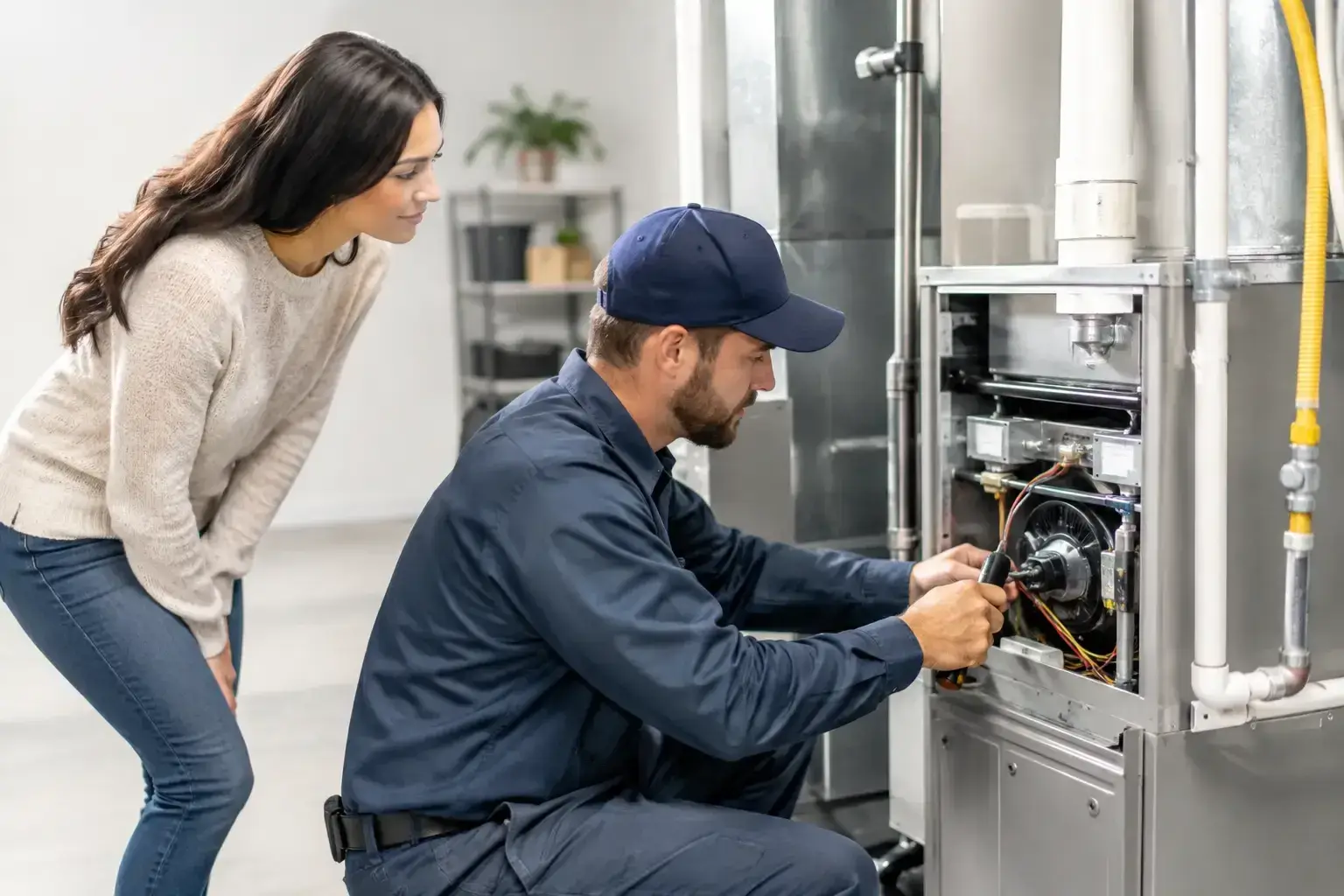
A new furnace should mean warm rooms when the temperature drops. It shouldn’t leave you wondering about the gas connection, the venting or whether the job was done right. If you own a home, rent out units or manage a building in Ontario, it helps to know what the rules require before you hire someone.
A furnace burns fuel, sends combustion gases out of the building and pushes heated air through the ducts. A shortcut at any of those steps can mean uneven heat, higher gas bills, repeat service calls or a real safety problem.
What “TSSA certified furnace installation” means
People use the phrase to describe a furnace replacement done by qualified gas technicians under Ontario’s fuel safety rules. The Technical Standards and Safety Authority (TSSA) oversees fuel safety in the province. A contractor doing gas work should use properly qualified technicians, follow the applicable codes and look after the permits, paperwork and inspections the job requires. Before you sign, ask the contractor for their TSSA registration and their technicians’ gas certificates.
Putting a new unit where the old one stood is only part of the job. The installer has to assess the gas supply, the electrical connection, the vent route, condensate drainage on a high efficiency furnace, airflow and the condition of the ductwork. The work also has to meet the manufacturer’s requirements. Miss any of these and you can affect safety, performance and your warranty.
Why the installation decides how well the furnace runs
A high efficiency furnace can still perform poorly if it’s the wrong size, vented badly or connected to ducts that can’t carry its airflow. The model matters, but the installation decides how it works in your house.
An oversized furnace heats the space quickly and then shuts off, over and over. This short cycling leaves some rooms warmer than others and wears out parts faster. An undersized unit runs for long stretches in a cold snap and still can’t hold the thermostat setting. Proper sizing looks at insulation, windows, layout, the duct system and how much heat the building needs, not just the square footage on a listing.
Venting matters just as much. Condensing furnaces need their own type of vent pipe, and they produce water that has to drain properly. The slope of the pipes, where they end outside and how the condensate drains all affect safe operation. In a Toronto or GTA winter, when the furnace may run for hours at a time, these details can’t be left to guesswork.
A careful installer also checks static pressure and airflow. If the filter, return air, supply ducts or blower settings choke the airflow, even an expensive furnace will disappoint. Sometimes the fix includes duct changes, a new thermostat or repairs to the return air paths. That depends on the house and the equipment being replaced.
What a proper installation should include
The work starts before the old furnace comes out. A technician should look at the existing system, ask which rooms run hot or cold, talk about your energy bills and confirm what kind of property it is: a condo, a townhouse, a detached home, a store, an office or a warehouse.
Then they can recommend equipment that fits. A two-stage or variable speed furnace gives steadier temperatures and runs more quietly. A single-stage furnace can be a sensible choice on a tighter budget. The most expensive model isn’t always the right answer. The right one suits the building, how comfortable you want to be and what you can spend.
During the job, the crew should disconnect and remove the old equipment safely, set the new furnace, check the gas piping and electrical connections, finish the venting and drainage, and run the system through a full cycle. They should confirm ignition, temperature rise, airflow, the safety controls and how the thermostat responds.
Before they leave, you should know how to use the thermostat, where the filter is, what maintenance the furnace needs and which signs mean you should call for service.
Red flags that cost you later
Price matters, especially when the old furnace dies without warning. But a quote far below every other one may leave out labour, materials, permits, venting changes, startup or removal of the old unit. Comparing brand names and efficiency ratings won’t show you that.
Be careful with a contractor who quotes a replacement without looking at the furnace room, asks nothing about comfort problems or can’t explain how the new furnace will be vented. It’s also a warning sign if nobody mentions technician qualifications, warranty registration or the condition of your ducts and thermostat.
Another common mistake is replacing a furnace without finding out why the old one failed early. A cracked heat exchanger, a clogged filter, poor airflow, a drainage problem or constant short cycling can point to a bigger issue. If that issue isn’t fixed, the new furnace can run into the same trouble.
Condos and commercial buildings
Condo furnace replacements are often harder than they look. Access rules, approval from management, tight mechanical closets, shared utilities and unusual vent setups can all affect the job. The contractor has to work within the building’s rules and still install the furnace safely and to the manufacturer’s specs.
For landlords and property managers, paperwork and reliable scheduling count as much as the furnace. A unit with no heat quickly becomes an urgent tenant problem, and a failure in a common area can affect many residents.
Commercial buildings carry more at stake. A furnace or rooftop heating unit affects staff, customers, inventory and opening hours. Warehouses and industrial spaces can have large open areas, heat loss at the loading doors or special ventilation needs. The installation plan should fit how the building is used, not just match the nameplate on the old unit.
Looking after the new furnace
Even a well installed furnace needs maintenance. Check the filter regularly, more often if you have pets, a renovation underway or a full house. A clogged filter restricts airflow and strains the system. Yearly service lets a technician inspect the burners, blower, safety controls, venting and drainage before a small problem turns into a no-heat call.
A maintenance visit is also when thermostat problems, weak airflow, odd noises and rooms that never warm up get caught. For property managers and business owners, a scheduled maintenance contract makes budgeting easier and lowers the odds of a breakdown in the coldest part of the year.
When it’s time to replace your furnace, ask for an installation plan that covers sizing, venting, drainage and airflow, and ask who will come back if something isn’t right. Expert Heating and Air Conditioning handles planned replacements and urgent no-heat calls, and we explain what we did before we leave.