
No Heat in a Multiunit Building: How to Get It Back Safely
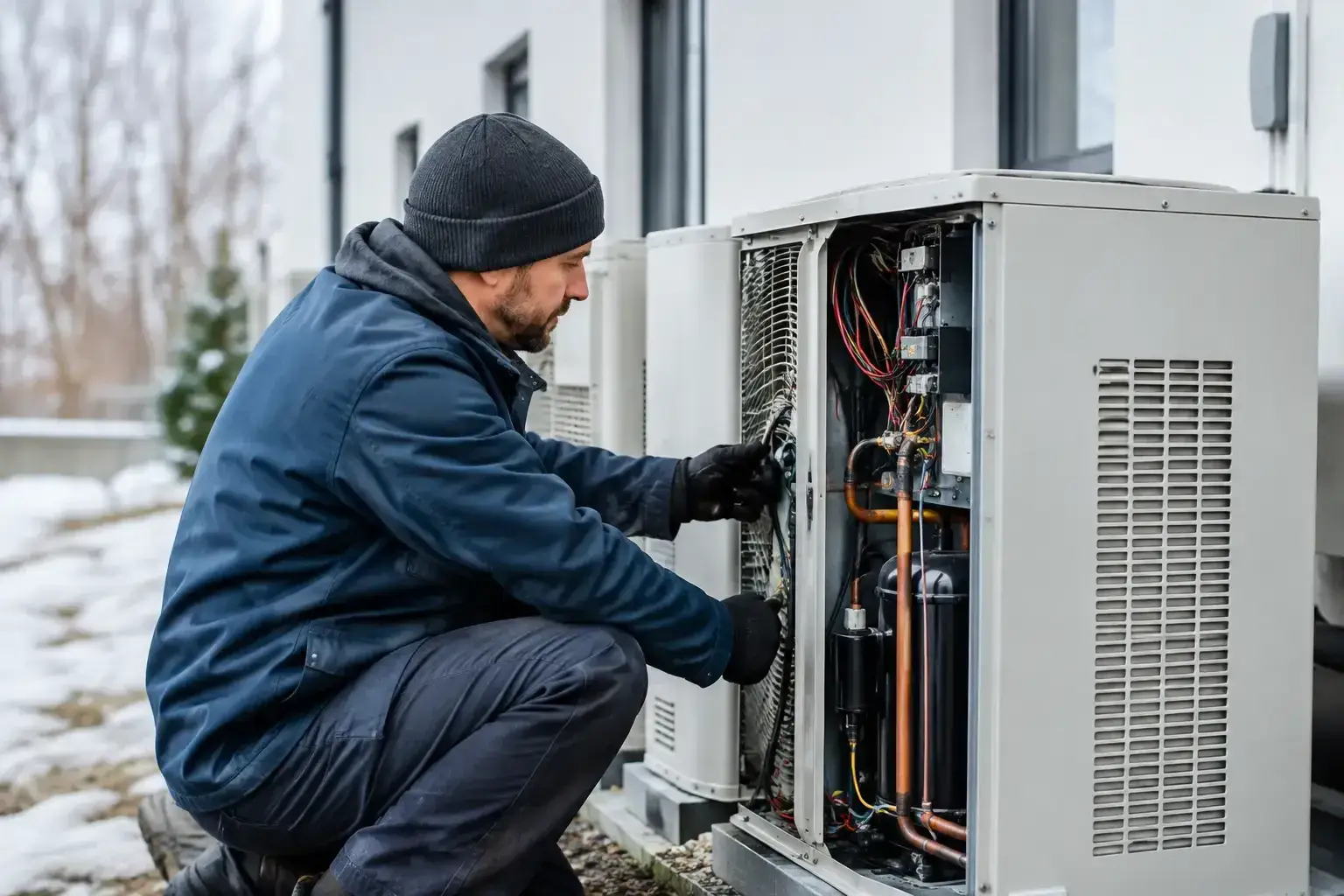
A furnace failure in one house is urgent. When the heat goes out in an apartment building, a condo or an occupied commercial space, the problem can spread through the whole building within hours. Getting heat back means finding the failure, keeping occupants and the property safe, and repairing the system without causing a new problem somewhere else.
Property managers and owners feel that pressure right away. Tenants are calling, staff are cold, pipes may be at risk of freezing, and you may need temporary heat before a permanent repair is done. Turning up a thermostat or swapping the first part that looks bad rarely solves it. You need a diagnosis and a plan that fit the equipment, the building layout and the people who depend on the heat.
What getting heat back actually involves
Multiunit buildings rarely heat every space the same way. A condo may use fan coil units fed by a central boiler or heat pump system. A small apartment building may have individual furnaces, hot water radiators, make-up air equipment or a mix. Retail plazas, offices and warehouses can have rooftop units, unit heaters, boilers and separate zones with very different needs.
So the first step is working out how far the failure reaches. Is one suite cold because of a failed thermostat, blower motor or valve, or a clogged filter? Is a whole floor without heat because a circulation pump or a central control failed? Are only the outside-wall units struggling in extreme cold, or can the building’s main heat source no longer keep up?
A qualified technician checks the equipment safely and in order. That can mean confirming power and fuel supply, reviewing control settings and fault codes, testing safety switches, inspecting ignition and combustion parts, checking airflow, and testing pumps, valves, motors and sensors. On a hot water (hydronic) system, the technician may also check water pressure, temperature, circulation, air in the lines and signs of leaks.
Speed matters, but guessing doesn’t help. Replacing parts without a proper diagnosis adds cost, delays the repair and can leave the original problem in place.
Why a cold building is more than a comfort problem
When the temperature drops, an underheated building creates real risks. Residents may plug in space heaters and use them unsafely, which raises the chance of an electrical fire. Frozen or burst pipes cause expensive water damage. Cold offices and stores slow down staff, put off customers and disrupt the business. In a warehouse or showroom, temperature swings can also damage stock or sensitive equipment.
Temporary heat can make sense while parts are on order or a bigger repair is being planned. Temporary heaters still need the right placement, enough electrical capacity, ventilation and someone checking on them. They should carry the building through to the repair, not replace it.
On a shared system, building management needs to know what failed, which areas are affected, what occupants should do in the meantime and what happens next. Clear answers cut down on frustration during a stressful outage.
Common causes of lost heat in multiunit buildings
Old equipment isn’t the only cause. A well-maintained system can still fail because of an electrical fault, a control problem, a worn motor or a failed pump. Some problems come up again and again in multiunit buildings:
- Dirty filters or blocked airflow that make furnaces and air handlers overheat and shut down
- Failed thermostats, zone controls, relays or sensors that stop equipment from responding
- Worn blower motors, inducer motors, belts, bearings, pumps or capacitors
- Ignition, gas valve, flame sensor or venting problems in gas-fired equipment
- Boiler circulation problems, leaking valves, low pressure or air trapped in the lines
- Skipped maintenance that lets small performance issues grow into a full shutdown
Some of these are quick fixes. Others raise the question of replacing the equipment. The answer depends on the unit’s age, condition, repair history, efficiency, parts availability and what downtime costs you. A good contractor explains that trade-off and doesn’t push a replacement when a solid repair is still the better value.
A practical plan for property managers
When several occupants report no heat, write down which units or zones are affected and when the problem started. Note any error codes, unusual noises, water leaks, smells or breakers that keep tripping. That gives the technician a faster start.
Don’t keep resetting the equipment or bypass safety controls. A reset can bring a system back after a brief interruption, but repeated lockouts usually mean something needs a professional. If anyone smells gas, leave the building and call 911 or the gas utility from outside. If a carbon monoxide alarm goes off, get everyone out and call 911. If you see smoke, or water leaking near electrical equipment, keep people away and treat it as an emergency.
Once a technician is on site, the work should be done in order of urgency. Occupied suites with no heat, vulnerable residents, areas at risk of freezing and essential business operations usually come first. With the immediate problem under control, the technician can deal with related faults that could cause another outage.
This matters most in buildings with aging equipment. The failed part may be the immediate problem, but poor airflow, neglected filters, weak motors or unreliable controls can shorten the life of the new part. Fixing those conditions protects the repair.
Repair or replace?
Not every outage calls for a new furnace, boiler or rooftop unit. If the equipment is in good overall shape and the failure is isolated, a repair with manufacturer (OEM) parts that carry a warranty can give you reliable service at a fair cost. That is often the right call for a newer system with few past repairs.
Replacement makes more sense when breakdowns are frequent, there are safety concerns, efficiency is poor, or major parts are failing on equipment near the end of its expected life. For a multiunit building, plan for access, disruption to tenants, equipment sizing, how the controls tie in and whether the current system still suits the building.
The cheapest quote doesn’t always mean the lowest running cost, and replacing equipment too early wastes money too. A good recommendation is based on the building’s actual condition and your budget.
Preventing the next building-wide no-heat call
The best time to prepare for a heating failure is before the first real cold snap. Scheduled maintenance lets a technician catch loose electrical connections, dirty burners, weak capacitors, blocked drains, worn belts, poor airflow and control problems before they shut the system down.
In a multiunit building, maintenance needs more than a quick look. Replace filters on schedule, record how the equipment is performing, test the safety controls and keep track of recurring trouble spots. It also helps to know which equipment is close to replacement age and which parts take a while to order.
Expert Heating and Air Conditioning handles urgent heating repairs as well as planned maintenance, repairs and replacements for homes and commercial properties. If your building has uneven heat, frequent lockouts or a system that barely keeps up, book an inspection before the next cold night. Fixing it on your schedule costs less than an emergency call.